Say “Yes” To These 5 Range Dual Fuel Cooker Tips
Range Dual Fuel Cooker Range dual fuel cookers combine the gas cooktop with an electric oven. They're more expensive than all-gas or all-electric models but offer a mix of precision and versatility. Cosmo's models are available in sizes of 30, 36, and 48 inches, with one or more ovens. Its stovetop has five burners including the large ring that can accommodate a wok. Gas Cooktop A dual fuel range cooker offers cooks the best of both worlds, offering a fast cooking temperature control with even heating in the oven. The cooktop has burners that run on propane or natural gas for an efficient and quick flame. Some models feature a reversible grille for extra flexibility. range cookers dual fuel in these stoves have capacities that range from 4.5 cubic feet to over 6.6 cubic feet, which makes them suitable for many household needs. When looking to purchase a new range, it's important to consider the kind of cooking you typically do and the space you have in your kitchen. For instance, a huge oven with a high BTUs might be better for cooking meat or other dishes that require dry heat, while smaller ones are ideal for baking delicate items. It's also worth considering the type of burner you'll need. Most ranges have between four and six burners. However there are models with up to eight burners and two ovens. If you decide a dual-fuel range is the best choice for your home, select models that have gas ovens and an electric one to make the most of it. For example, this GE model comes with a 5.3-cubic foot oven and five burners, including two of the strongest power burners in our tests. It also has an inbuilt Reversible griddle, as well as Wi-Fi connectivity that allows remote monitoring and feature upgrades. This Samsung smart range comes with a large space and two smaller ones that have a ceramic divider. Halibut can be cooked on one while roasting potato in the other. Its cooktop uses gas burners, as well as an electric oven that allows for even baking. Eva Bleyer is a reviews analyst at the Good Housekeeping Institute Kitchen Appliances and Innovation Lab in which she has tested almost 100 ranges in the last few years. She has spoken with industry experts and toured kitchen appliance showrooms to learn the latest technologies that are coming to home kitchens. She has also spent much time in the kitchen, making meals for herself and others. She has tapped into her extensive experience to create the recipes for this article. Electric Oven Dual fuel ranges blend a gas cooktop with an electric oven to give you the best of both worlds. Professional chefs and home cooks look for these multi-functional models because they offer power and the ability to work with precision. Gas stovetops deliver rapid heating and plenty of temperature control, while the electric oven components cycle in patterns that optimize heat distribution. Gas cooktops can assist you to learn new cooking techniques. For example you can grill a steak perfectly or flambe coq au vin. For baking an electric oven's dry, even heat makes it easier to bake a cake or roast a chicken. This site offers a vast selection of gas-powered ovens. These models, unlike other appliances require two sources of power that are 120-volt outlets and a liquid or natural propane gas line. Check the owner's manual to find out the exact requirements for your specific model. An electrician will need to modify the voltage of your outlet to match the dual fuel range. A dual fuel range offers the responsiveness of a gas cooktop and the optimal heat distribution of an electric oven, creating an appliance for the kitchen that can handle any challenge in the kitchen. Dual fuel ranges also provide advanced cooking options that aren't offered on stoves that are solely fuelled, such as self-cleaning cycles or convection options. Explore our selection of JennAir dual fuel ranges that feature a gas stovetop and an oven. Select from a variety of sizes, finishes, and design concepts that will complement your kitchen. You can personalize your cooktop with features like our raised pedestal star® burners as well as porcelain maintops and griddle. Hydraulic SoftClose® hinges keep the cooktop from slamming and provide easy access to the oven and warming drawer. Some models include an integrated hood and an a griddle that can be swapped out, while others offer the ability to add an air fryer or convection oven. Electronic Controls A dual fuel range cooker is a powerful and versatile cooking appliance. It has the power and responsiveness of gas cooktops, as well as the consistent heat of electric ovens. The versatility of this type of stove makes it ideal for those who like to experiment with new recipes, or employing sophisticated techniques such as grilling peppers. It can also provide a luxury touch to high-end kitchens and elevate any home's interior design. Dual fuel stoves have become an increasingly popular choice for professional chefs and cooks at home. These stoves are not only better in heat control, but also come with a host of other features that make them stand out. Some models have a programmable cooktop that allows you to customize the look and layout your burners according to your preferences in cooking. Other options include integrated dishwashers, warming drawers or microwaves. This lets you modify the functionality of your stovetop and improve your workflow in your kitchen. Depending on the model that you select, some dual fuel ranges can be paired with either electric or gas convection ovens. These ovens offer an exceptionally precise temperature control that can be difficult to achieve with standard gas ovens. They also may have features that make baking simpler like a patent-pending Dual VertiFlow technology that helps reduce hot and cold spots within the oven or Gourmet Mode that allows you to prepare complicated dishes such as Eclairs in a snap. Gas ovens tend to have fast response times and offer a hands-on cooking experience, while electric ones deliver more constant heating across the surface of the oven. This makes them ideal for baking and casseroles that require even temperatures and consistent browning. For meats and other meals that require to hold moisture and moisture, a gas range with a higher BTU rating may be the best option. Dual fuel stoves are very popular due to their flexibility. However, they can be more costly than models that only use electricity or gas. This could be a deterrent for those with a tight budget. A dual fuel range requires both an electrical and a gas connection in order to work, which is an expense that is expensive in the beginning. In certain instances, you may need to pay an electrician to modify the voltage of your electrical outlet or install a brand new gas line. Installation When you choose a dual fuel range, you're selecting a stove that combines instantly hot gas hobs with ovens that manage temperatures perfectly for baking. These versatile cookers are suitable for a wide range of dishes from sauteing, searing and steaming to roasting. Explore Abt's selection of gas and electric ranges to find one that meets your requirements. Take a look at our ranges that slide in or stand on their own if are looking for a range that is suitable for your space. Our ranges come with dual-fuel options that are designed to fit flush with your counters so that you can create a seamless appearance in your kitchen. Before beginning the installation, make sure you read the owner's manual thoroughly and follow the instructions given. Consider hiring a professional when you're not confident about making the gas or electrical connections. It's also a good idea to have at minimum another person assist you to move the appliance into its place. The process of installing a dual fuel range starts with ensuring that your home has a gas line in place to accommodate the new appliance. You'll need a separate gas line that can be installed by a professional. You can also make use of an existing electrical line. Make sure you check the line's quality and whether it can provide power to an electric oven. To install the gas line, start by removing the cap from the gas valve and then cleaning the area. You can, if necessary, enlarge your wall hole to accommodate the larger diameter pipe. After the gas line is installed, you can screw the tube or connector into the valve. Be careful not to over tighten or you end up damaging the threads. 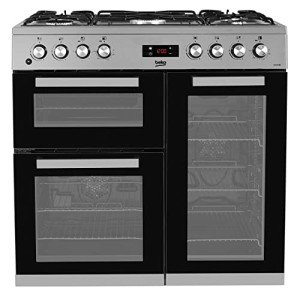 When you're done tighten the screw at the green ground wire terminal ring. Connect the other end cable to the terminal block wire in white and match the colors (red to black and black to red). Insert the screw into the terminal block. Then, re-insert the ring and secure the cord using the included strain relief.